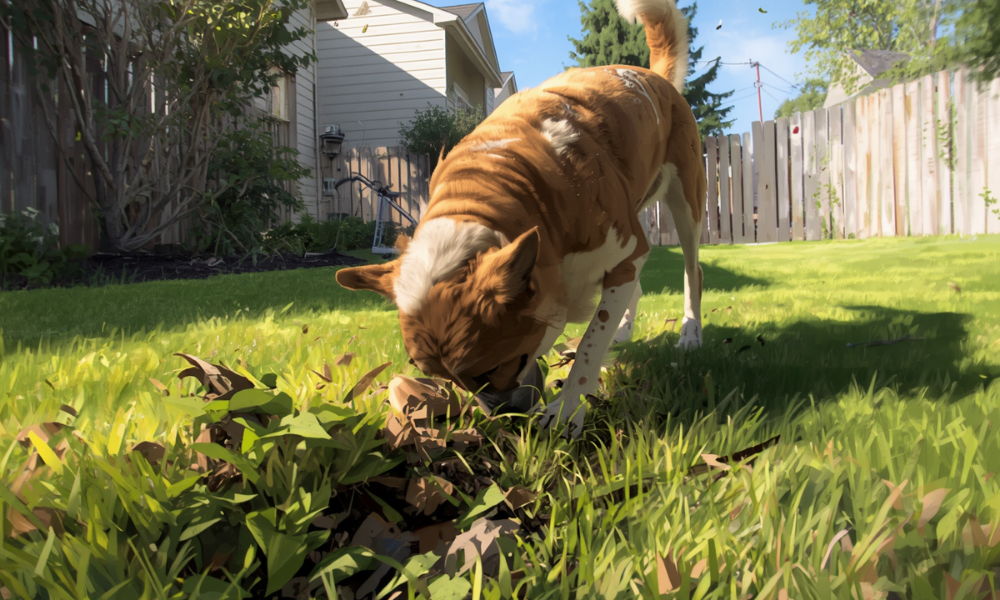
You mow, fertilize, and water your lawn regularly. But if you have a dog, one overlooked habit can undo that effort entirely. Dog waste left on grass does not break down cleanly. It burns turf, raises soil acidity, triggers fungal growth, and deposits pathogens that linger for months. Understanding exactly how this damage happens is the first step to stopping it.
| Key Takeaways |
|---|
| • Dog waste contains concentrated nitrogen that burns grass the same way over-fertilization does. |
| • Dog feces are highly acidic and disrupt soil pH, which inhibits plant growth. |
| • Poop left on the lawn creates conditions for fungal disease and fire ant activity. |
| • Unlike cow manure, dog waste is not a fertilizer. It is toxic to grass. |
| • Prompt and consistent removal is the only reliable way to protect your lawn. |
Why Dog Waste Damages Grass
A common myth is that dog waste acts as a natural fertilizer. This is incorrect. Cow manure works as a soil amendment because cows eat plant-based diets. Their waste has relatively low pathogen levels and decomposes in a way that can benefit soil.
Dogs eat a high-protein diet. Their waste is different in composition, more acidic, higher in nitrogen concentration, and far more likely to harbor harmful bacteria. When dog feces sits on grass, several damaging processes begin simultaneously.
Nitrogen Burn
Dog waste contains urea, a nitrogen-rich compound. When concentrated nitrogen contacts grass in a single location repeatedly, it overwhelms the plant’s ability to process it. The result is the same as applying too much nitrogen fertilizer: the grass dehydrates, yellows, and dies.
You typically see a brown or yellow dead patch at the center with a ring of darker green grass around the edges. The dark green is caused by lower-concentration nitrogen acting as a mild fertilizer before reaching toxic levels. That green ring often turns brown within a few weeks if waste accumulation continues.
Soil Acidity and pH Disruption
Healthy grass grows in soil with a pH between 6.0 and 7.0. Dog waste is highly acidic, typically falling below that range. Repeated deposits in the same area drive soil pH down, creating conditions where grass roots cannot absorb nutrients efficiently, even when those nutrients are present.
This is why affected areas often resist recovery. Even after removing waste and reseeding, if the soil pH has been significantly altered, new grass seedlings struggle to establish. Lime application may be needed to restore healthy soil chemistry before reseeding will take hold.
Fungal Growth
Dog waste that remains on grass creates a warm, moist, nutrient-dense environment. This is exactly the condition in which lawn fungal diseases thrive. Common fungal problems associated with accumulated pet waste include brown patch, dollar spot, and snow mold. Once fungal disease establishes in a lawn, it can spread far beyond the original waste site and is often expensive to treat.
Salt Stress
Dog waste also contains salt compounds. Excess soil salts pull moisture away from grass roots through osmosis. In severe cases, the grass essentially dehydrates from the roots up, producing dead patches that do not respond to watering alone. The soil must be flushed thoroughly and amended before normal growth can resume.
How Quickly Does Lawn Damage Occur
The timeline depends on several factors: the size of the dog, how often it uses the same spot, and whether waste is removed promptly.
| Cleanup Frequency | Visible Lawn Impact | Long-term Risk |
|---|---|---|
| Daily removal | Minimal to none | Very low |
| Every 2 to 3 days | Slight discoloration possible | Low with watering |
| Weekly removal | Yellow or brown spots likely in hot weather | Moderate |
| Bi-weekly or less | Dead patches, soil pH disruption, fungal risk | High |
| Monthly or never | Widespread turf death, soil contamination | Severe |
A single medium-sized dog defecating twice per day produces roughly 14 piles per week. At that rate, areas of the lawn used repeatedly will show visible damage within two to four weeks without regular removal.
Areas Most Vulnerable to Dog Waste Damage
Not every part of your lawn responds equally. Some areas are more susceptible:
- Shaded areas: Grass in low-light zones is already under stress and recovers more slowly from nitrogen burn.
- Dry or drought-stressed turf: Already dehydrated grass has less tolerance for the additional salt stress from feces.
- Newly seeded patches: Young grass seedlings have minimal root systems and are extremely sensitive to acidic, high-nitrogen deposits.
- Fertilized zones: Lawns that are already receiving nitrogen via fertilizer have less buffer against additional concentration from waste.
How to Repair Dog Waste Damage on Your Lawn
If damage has already occurred, recovery is possible in most cases but requires systematic steps.
- Remove all visible waste thoroughly. Do not simply mow over affected areas.
- Water the affected area deeply and repeatedly for several days to flush salt and nitrogen from the soil.
- Test soil pH if damage is persistent. pH below 5.5 will require lime amendment before reseeding.
- Rake away dead grass and loosen the top layer of soil.
- Reseed with a urine-tolerant grass variety such as tall fescue or perennial ryegrass if reseeding in the affected area.
- Keep the reseeded area moist and restrict dog access until new growth establishes.
If the damage is widespread across multiple areas, a professional lawn assessment may be needed alongside a professional pet waste removal schedule to prevent recurrence.
For Nashville and surrounding area pet owners, CleanYard’s residential pet waste removal service provides scheduled cleanups that keep waste from accumulating long enough to cause measurable lawn damage.
Preventing Lawn Damage Going Forward
Prevention is simpler than repair. The following steps reduce lawn damage significantly when followed consistently.
- Remove waste within 24 hours of deposit whenever possible.
- Designate a specific toilet area in your yard. Mulch or pea gravel in a contained corner gives your dog an alternative to the lawn.
- Water the area after your dog defecates on grass to dilute nitrogen before it concentrates.
- Avoid fertilizing in areas where your dog regularly goes. Adding external nitrogen to already-elevated zones increases burn risk.
- Use a professional removal service for consistent, scheduled cleanups throughout the week.
You can also review our post on preventing dog pee from killing your grass for additional steps on managing both urine and feces damage simultaneously.
Also see: What dissolves dog poop in the yard for additional DIY options between professional visits.
Frequently Asked Questions
Does dog poop work as fertilizer if left on the lawn?
No. Unlike cow or horse manure, dog feces is high in protein and acid content. It burns grass and disrupts soil pH rather than enriching it with usable nutrients.
How long does it take for dog waste to kill grass?
In warm conditions with repeated deposits, visible yellowing can appear within one to two weeks. Dead patches typically follow within three to four weeks of consistent accumulation.
Can I save brown grass patches caused by dog waste?
Yellow patches with still-living roots can often recover with deep watering. Fully brown, dead patches will need removal of dead material and reseeding once soil is flushed and pH is corrected.
Does dog waste attract other pests to my lawn?
Yes. Accumulated waste draws flies, fleas, cockroaches, and in some cases rodents. These secondary pest problems compound the health risks beyond direct lawn damage.
Which grass types hold up best against dog waste?
Tall fescue and perennial ryegrass are the most tolerant of high-nitrogen conditions. Kentucky bluegrass and Bermuda grass are most sensitive and will show damage fastest.
Stop Lawn Damage Before It Starts
Dog waste damage is almost entirely preventable with consistent removal. The key variable is time. The longer waste sits, the deeper nitrogen and acid penetrate soil, the harder recovery becomes, and the more treatments you need.
A weekly or twice-weekly professional removal schedule eliminates accumulation entirely. Your lawn stays healthy, your yard stays safe, and the problem never reaches the repair stage.